Explore Internal MedicineFatty Liver Disease Clinic
Expert Care for Treating Your Fatty Liver
Fatty liver disease occurs when excess fat builds up in the liver. It is now one of the most common chronic liver conditions in the United States. When identified early, fatty liver disease can often be reversed or slowed with lifestyle changes and treatment of underlying risk factors. If left untreated, it may progress to liver scarring (cirrhosis), liver failure, or liver cancer.
The UConn Health Internal Medicine Fatty Liver Disease Clinic provides comprehensive evaluation, education, and treatment to help patients improve their liver health and reduce the risk of complications.
Symptoms
Fatty liver disease often causes no symptoms. Many people do not know they have it until liver inflammation or scarring develops. When symptoms do occur, they may include:
- Fatigue, low energy
- Occasional difficulty concentrating (brain fog)
- Discomfort of fullness in the upper right abdomen
Risk Factors
Medical Factors
- Overweight or obese (especially belly fat)
- Type 2 diabetes or prediabetes
- High blood pressure
- High triglycerides and low “good” cholesterol (HDL)
- Sleep apnea (loud snoring and poor-quality sleep)
- Regular alcohol intake – even low to moderate amounts
Lifestyle Factors
- Diet high in sugar, processed foods, or refined carbohydrates
- Not enough physical activity
Other Factors
- Family history of fatty liver, cirrhosis, or liver cancer
- Ethnicity: About 50% of U.S. Hispanics have a fatty liver
Treatment is individualized and may include:
- Comprehensive metabolic risk assessment
- Weight-management
- Managing diabetes, high blood pressure, and high cholesterol
- Use of FDA-approved medications when appropriate (including but not limited to GLP-1 receptor agonists and/or resmetirom)
- Monitoring for liver fibrosis and cirrhosis
- Coordinating with hepatology and other specialists when needed
Early Detection Is Key
Fatty liver disease is often reversible with lifestyle changes if detected early.
Protect Your Liver
Many people can reverse or slow fatty liver disease by:
- Following a Mediterranean-style diet
- Being physically active most days of the week
- Limiting or avoiding alcohol
- Losing 5 to 10% of body weight
- Controlling blood sugar, blood pressure, and cholesterol
- Working closely with their healthcare team
Who Should Be Evaluated?
You may benefit from evaluation if you have:
- Fatty liver seen on ultrasound or CT scan
- Elevated liver enzymes
- Type 2 diabetes or prediabetes
- Obesity or excess abdominal weight
- High cholesterol or triglycerides
- A family history of cirrhosis or liver cancer
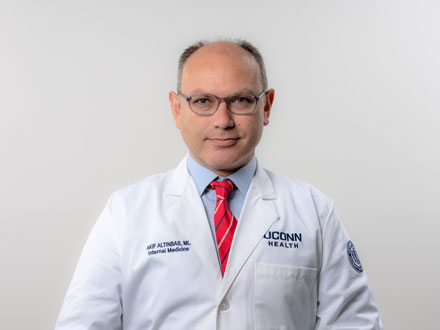
Our Specialist